A supplier audit for a coal mine is a crucial de-risking process for international buyers, traders, and investors. It moves beyond paperwork to verify that a mining supplier physically exists, operates ethically, and can reliably deliver the contracted volume and quality of coal.
When conducting a coal minesite inspection, the audit focuses on six core operational segments:
Verification of Genuineness
Legal Alignment: Cross-referencing physical mine assets with government-issued mining concessions, environmental permits, and corporate registration documents. Though this is most advisable to be done through the legal channel.
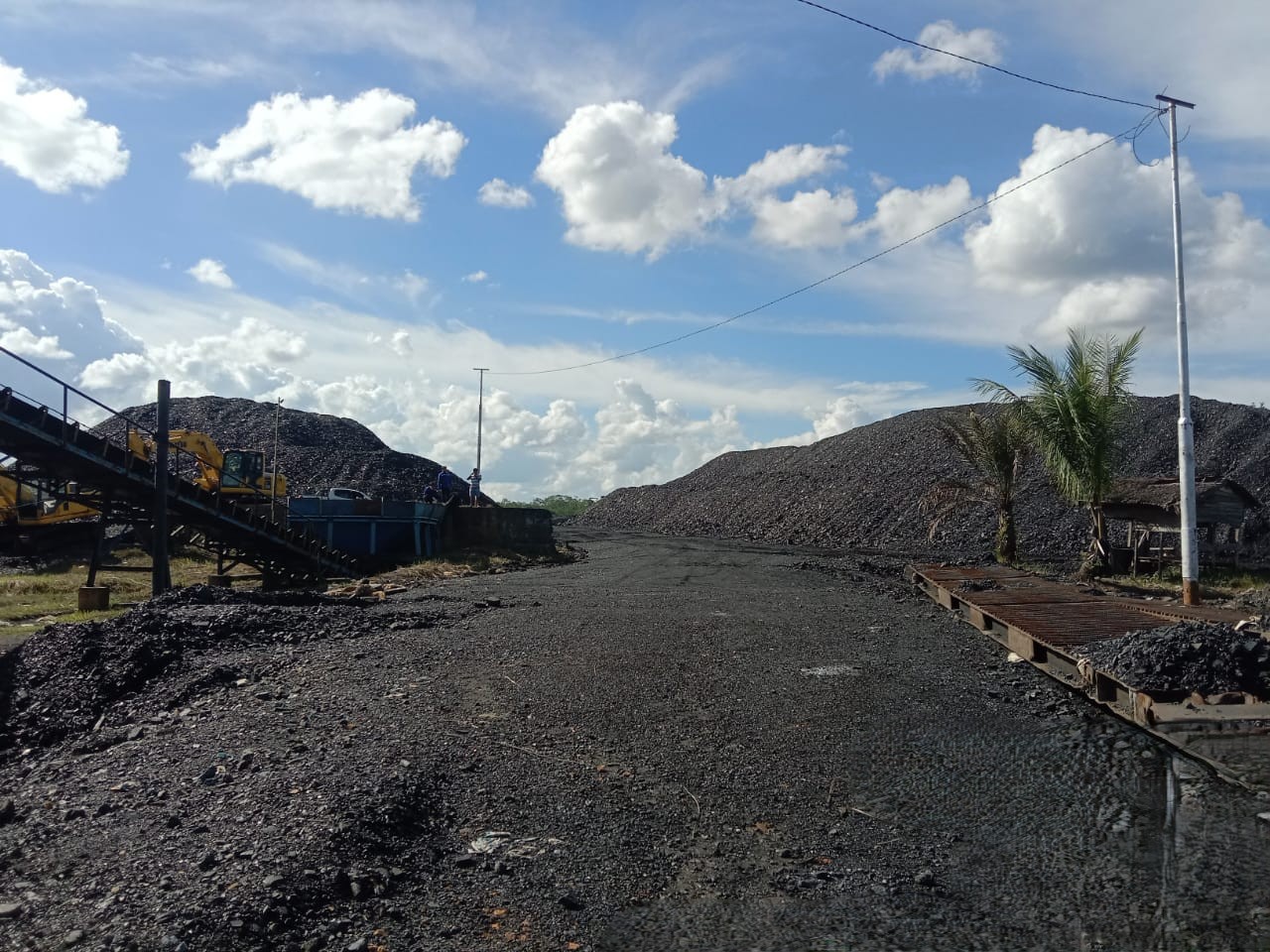
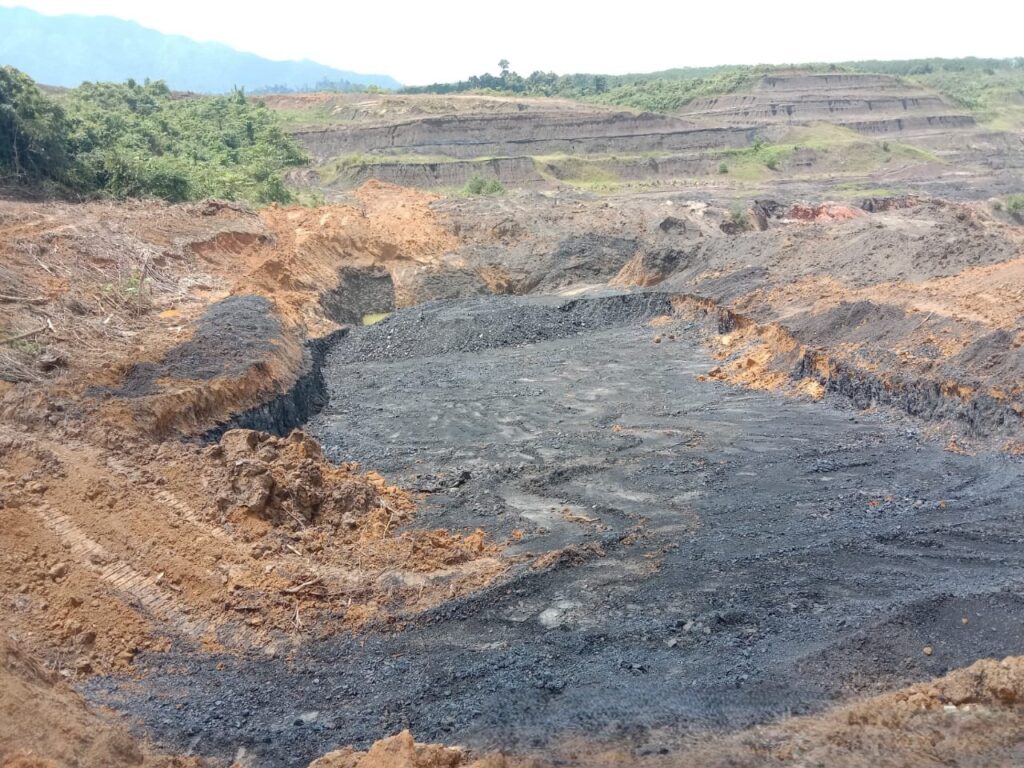
Operational Presence: Confirming the mine is actively operating rather than abandoned, suspended, or existing only on paper.
Location and Logistics Geographical Assessment
Coordinates: Mapping the exact latitude and longitude of the pit, stockpiles, and processing facilities.
Surrounding Infrastructure: Evaluating local road conditions, weight restrictions, and seasonal weather vulnerabilities (e.g., heavy monsoon disruptions).
Community Factors: Noting proximity to local villages or protected environmental zones that could trigger future operational shutdowns.
Production Capacity Verification
Run-of-Mine (ROM) Output: Calculating actual daily or monthly excavation rates by cross-referencing weighbridge logs with stripping ratios (the amount of waste rock moved per ton of coal).
Processing Throughput: Assessing the hourly capacity of the crushing, screening, or coal washing plants to ensure they can handle stated volumes.
Heavy Equipment Evaluation
Fleet Assessment: Inventorying active machinery, including draglines, excavators, dump trucks, dozers, and conveyor systems.
Maintenance & Ownership: Checking equipment logbooks for mechanical availability, age, and verifying whether the fleet is owned or leased.
Scalability: Determining if the current fleet size matches the supplier’s claimed production targets.
Supply Chain Logistics: Distance to Jetty
Haulage Routes: Mapping the exact distance and transit time from the mine site stockpile to the nearest river jetty or ocean export terminal.
Transport Mode: Evaluating the efficiency and bottlenecks of the transport method, whether via dedicated haul trucks, public roads, or rail lines.
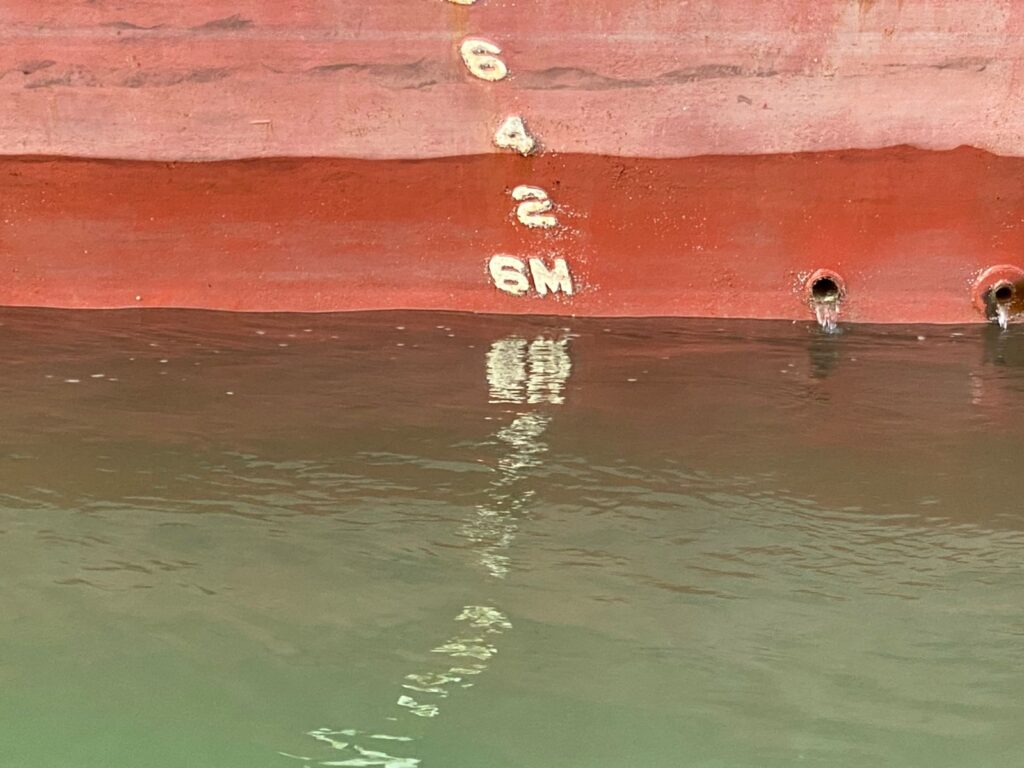
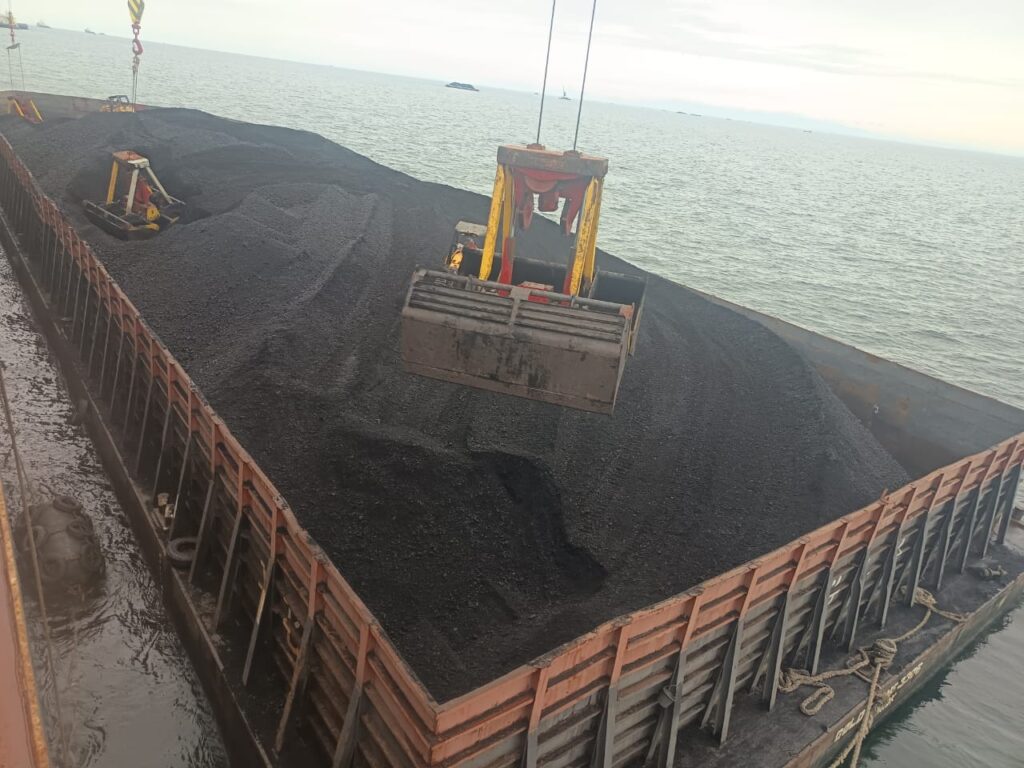
Jetty Infrastructure: Inspecting the destination jetty’s barge-loading capacity, draft limits, stockpile size, and transshipment capabilities.
Coal Quality Sampling
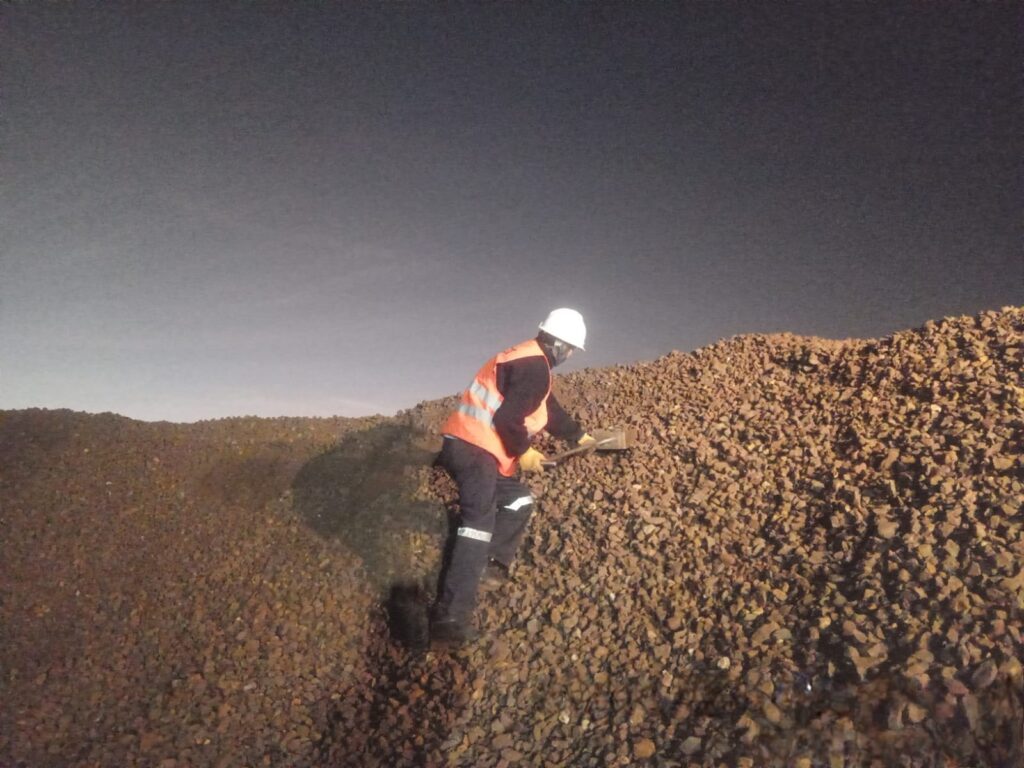
Stockpile Sampling: Taking unbiased, representative physical samples from different layers of the ROM stockpile using international standard methods (such as ISO or ASTM).
Independent Testing: Sending sealed samples to an independent, accredited third-party laboratory to analyse key parameters.